
Welcome to the McKinney Dentist Blog!
Are Implant-Supported Dentures Like Traditional Dentures?
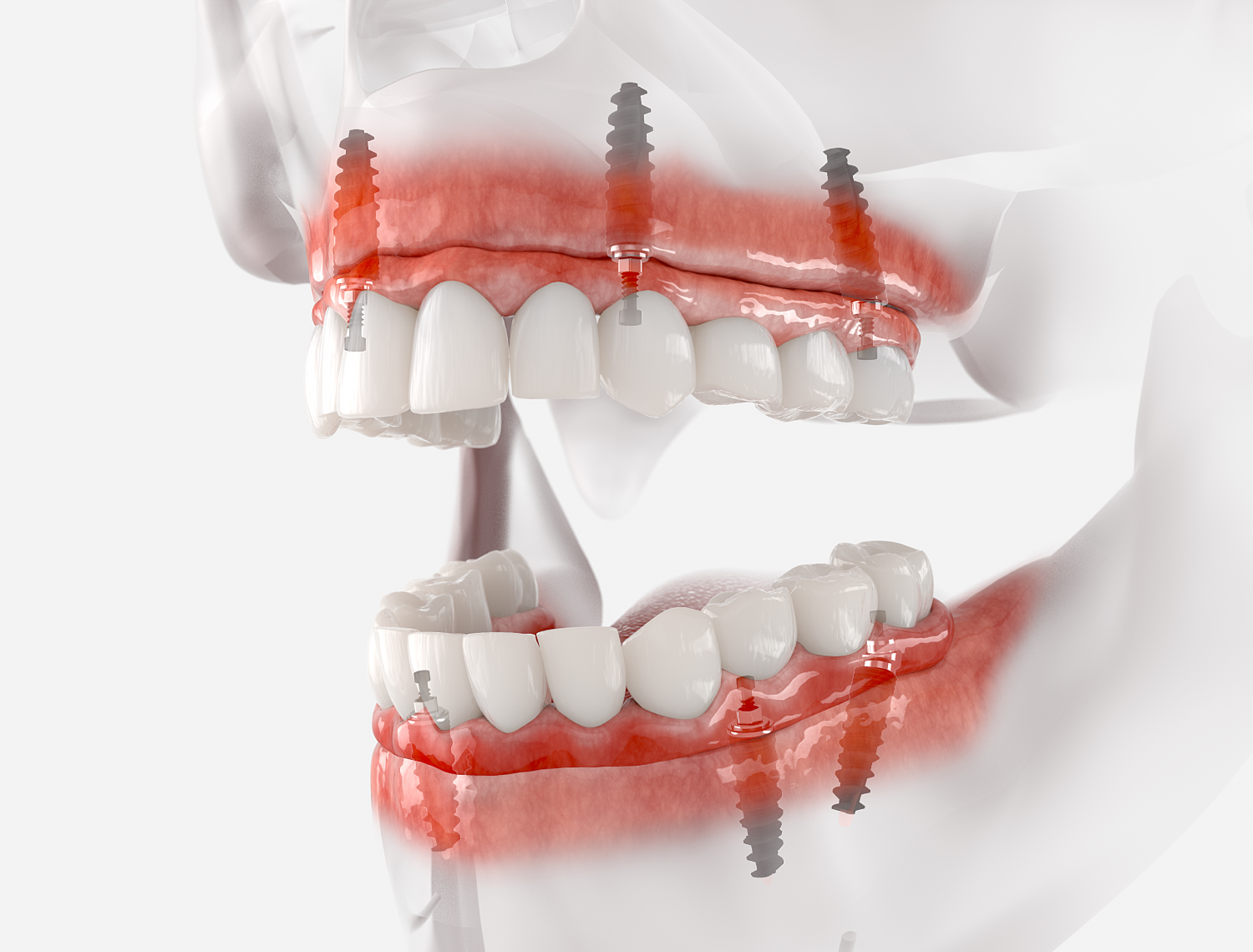
If you’re exploring tooth replacement, you’ve probably heard both terms: traditional dentures and implant-supported dentures. They sound alike, they look alike on the surface, and both replace missing teeth.
Day to day, though, they behave very differently. Fit, chewing power, the bone underneath, and how they feel after a few years of use are not the same. Choosing the right one starts with understanding what actually changes when you add implants to the equation.
This guide compares the two side by side so you can make a confident decision for your mouth, your budget, and your future.
The Short Answer Upfront
Traditional dentures sit on top of your gums. Implant-supported dentures attach to dental implants placed in the jawbone.
That single difference changes almost everything about how they function:
- How securely they stay in place
- How well you can chew
- How much bone your jaw keeps over time
- How they feel during conversation and eating
- How often they may need to be adjusted or relined
They are related solutions, but they are not the same product.
How Traditional Dentures Work
Traditional full dentures are removable and rest on the gum tissue. Suction, ridge shape, and sometimes adhesive hold them in place.
Traditional dentures often work well for patients who:
- Need to replace all teeth in an arch
- Want a removable, more accessible cost option
- Prefer a non-surgical replacement path
- Have specific health factors that make implants more complex
What Many Patients Notice Over Time
After a few years of wear, traditional denture patients often report:
- A gradual loosening of fit
- More reliance on adhesive
- Difficulty with certain foods
- Sore spots or rubbing in some areas
- Changes in facial support as bone shrinks
Bone loss under traditional dentures is a normal biological process. The denture itself doesn’t stimulate bone the way implant roots do.
How Implant-Supported Dentures Work
Implant-supported dentures attach to dental implants placed in the jawbone. Depending on the design, the denture may snap onto attachments or be fixed in place by your dentist.
Common configurations include:
- Removable overdentures (snap-on) supported by several implants
- Fixed full-arch restorations supported by multiple implants
- Hybrid designs that combine stability with cleansability
The implants act like artificial tooth roots. That changes how forces transfer, how stable the prosthesis feels, and how the bone responds long-term.
Side-by-Side: Where They Behave Differently
Here is where the real comparison happens.
Stability and Confidence
- Traditional: Can shift, especially during chewing or speaking
- Implant-supported: Far more stable, less movement during function
Chewing Power
- Traditional: Limited bite force; some foods may be difficult
- Implant-supported: Generally stronger, closer to natural chewing for many patients
Bone Health Over Time
- Traditional: Bone tends to shrink in the area where teeth are missing
- Implant-supported: Implants help maintain bone by providing stimulation
Facial Appearance
- Traditional: Can change over years as bone shrinks
- Implant-supported: Often helps preserve facial support longer
Daily Care
- Traditional: Remove for cleaning and overnight care
- Implant-supported: Depends on design; some snap off for cleaning, others stay in place and are cleaned with specific tools
Cost Structure
- Traditional: Lower upfront investment
- Implant-supported: Higher upfront investment, often with stronger long-term value through stability and bone preservation
What Many Patients Do Not Realize About Traditional Dentures
Traditional dentures can be a great option for the right patient, but expectations matter.
It helps to understand:
- They can shift during eating and laughing
- They may need relines as bone changes
- Some foods stay challenging
- Speech can take time to adjust
- Long-term bone loss is part of normal biology with this approach
Knowing this upfront helps patients choose between adapting to traditional dentures or upgrading to implant-supported options.
What Many Patients Do Not Realize About Implant-Supported Dentures
On the other side, implant-supported dentures are not a “magic” solution.
It helps to know:
- They require minor oral surgery for implant placement
- Healing time may be needed before final restoration
- Smoking and certain health factors can affect candidacy
- Maintenance visits and proper home care are essential
- Long-term success depends on bone health and habits
In our experience, patients who understand the trade-offs upfront tend to be happier with whichever option they choose.
Who Is a Good Candidate for Each
Your candidacy depends on your overall health, your jawbone, and your goals.
Traditional dentures may suit patients who:
- Prefer a non-surgical option
- Want a lower-cost starting point
- Are not candidates for implant surgery
- Want a relatively quick timeline to a complete arch
Implant-supported dentures may suit patients who:
- Want maximum stability and chewing function
- Care about preserving jawbone long-term
- Are tired of denture movement or adhesive
- Are healthy enough for implant procedures
- See dental work as a long-term investment
A clinical exam is the most reliable way to know which option fits your case.
What the Treatment Journey Looks Like
The path to each option is different.
Traditional Dentures (Simplified)
- Exam and records
- Any needed extractions or healing time
- Impressions or digital records
- Try-in and adjustments
- Final denture delivery
- Periodic relines and follow-up
Implant-Supported Dentures (Simplified)
- Exam, imaging, and planning
- Any needed extractions or pre-treatment
- Implant placement surgery
- Healing and integration period
- Attachment and fitting of the denture
- Ongoing maintenance visits
Implant-supported timelines are longer, but the result is engineered for long-term stability.
A Realistic Way to Compare Cost
Patients sometimes look at sticker price first and stop there. A more honest comparison considers:
- Upfront cost
- Expected longevity of components
- Reline and adjustment frequency
- Impact on chewing and food choices
- Effect on bone and future treatment
- Day-to-day comfort and confidence
Cheaper today doesn’t always mean cheaper overall, and more expensive today doesn’t always mean better for every patient. The right answer is the option that fits your goals and your specific case.
Internal Resources
- Dental Implants in McKinney
- All-on-Four Dental Implants
- Dentures and Partials
- Dental Implant FAQs
- Contact McKinney Dentist
Frequently Asked Questions
Do implant-supported dentures feel more like natural teeth?
For many patients, yes. Because they are anchored to implants in the jawbone, they tend to feel more stable and allow stronger chewing than traditional dentures. They are not identical to natural teeth, but they often come closer.
Can I switch from traditional dentures to implant-supported dentures later?
In many cases, yes. Your dentist will evaluate your bone health, gum tissue, and overall health to determine whether implants are an option. Some patients start with traditional dentures and later upgrade as their situation allows.
How long do implants last in implant-supported dentures?
With proper care, implants can serve for many years. The denture portion may need occasional adjustments or eventual replacement, but the implants themselves are designed to function long-term in healthy patients.
Are implant-supported dentures removable or fixed?
Both designs exist. Some snap on and off for cleaning. Others are fixed in place and only removed by your dentist for maintenance. Your treatment plan will be matched to your lifestyle and clinical needs.
Choose the Denture That Fits Your Life, Not Just Your Mouth
Traditional dentures and implant-supported dentures both have a place. The right choice depends on your jawbone, your goals, your health, and how you want to live with your teeth every day.
Call (972) 547-6453 or schedule at mckinneydentist.com/contact-us. Our team can evaluate your case, compare your real options, and recommend the path that fits your smile and your future.
Disclaimer: This content is for educational purposes only and does not replace professional dental or medical advice. A clinical exam is required for diagnosis and treatment planning.
Get Your Virtual Smile Consultation With Dr. Berlin Now!

Learn more about The Berlin Smile
Take action today - Get your very own Berlin Smile!
Free Virtual Smile Consultation
Send us a picture of your current smile and Dr. Marvin Berlin will take care of everything else! He will listen to your dental needs, analyze your smile, discuss your health history, and design your perfect smile makeover using the dental treatments we offer via a personalized video! Completely free of cost to you, this consultation is worth $550.
We believe that every patient has a right to our very best.

// 5 Reasons Why
McKinneyDentist.com is the region's leading dental practice.
01. Dental Implants
Have missing or bad teeth? Implants help you chew and smile with confidence. LEARN MORE...
02. Cosmetic Dentistry
The Berlin Smileᵀᴹ - Bringing your inner beauty to the surface by creating your dream smile. LEARN MORE...
03. Invisalign
Ready for beautiful straight teeth without metal braces? Invisalign aligners guide your teeth to the perfect position. LEARN MORE...
04. Family Dentistry
Want to take care of your entire family's dental needs in the same place at the same time? LEARN MORE...
05. Emergency Dentistry
Have you broken or chipped a tooth? Are you in pain? We'll take care of you right now. LEARN MORE...