
Invisalign vs Braces in McKinney: Which Is Right for You?

Straightening your teeth is one of the most common reasons adults and teens in McKinney see a dentist, and Invisalign vs. braces is usually the first question that comes up. The two front-runners are Invisalign clear aligners and traditional braces, and you have real choices in how to get there.
Both work. Both can give you a straighter, healthier bite. The right pick comes down to your specific teeth, your lifestyle, and how you weigh comfort, appearance, and convenience.
Here is how Invisalign and braces compare across the things patients actually care about, so you can walk into a consultation knowing which questions to ask.
How Each Option Works
The two systems reach the same goal by different paths.
Braces use metal or ceramic brackets bonded to your teeth, connected by a wire. The wire is adjusted over time to guide teeth into position. They stay on for the whole treatment.
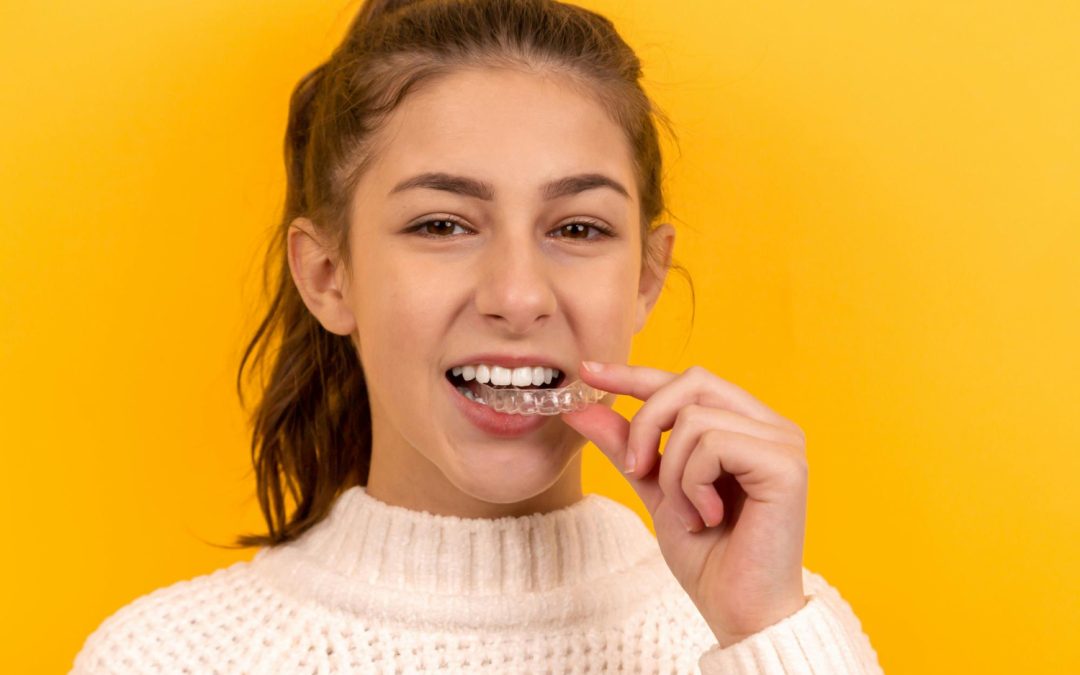
Invisalign uses a series of clear, removable aligners custom-made for your mouth. You wear each set for a couple of weeks, then move to the next, and the teeth shift gradually. You take them out to eat and brush.
Both apply steady, controlled pressure. The difference is in how that pressure is delivered and how visible the hardware is.
Appearance: How Noticeable Is Treatment?
For many adults and self-conscious teens, this is the deciding factor.
- Invisalign is nearly invisible. Most people will not notice you are wearing aligners, which is a big draw for professionals, older teens, and anyone in front of a camera or a crowd.
- Braces are visible, though ceramic (tooth-colored) brackets are less obvious than classic metal. Some teens actually enjoy picking colored bands.
If blending in matters to you, Invisalign has the clear edge here.
Comfort and Daily Life
Both options take some getting used to, but they feel different day to day.
Invisalign tends to win on:
- Smooth aligners with no brackets or wires to irritate cheeks
- The freedom to remove them for meals, so no food is off-limits
- Easier brushing and flossing since you take them out
Braces come with a few more adjustments:
- Occasional soreness after tightening
- Some tenderness from brackets against the cheeks, eased with wax
- Extra care brushing around brackets and wires
The catch with Invisalign is discipline. Aligners only work if you wear them 20 to 22 hours a day. If you tend to forget or leave them out, braces may actually finish faster because they are always working.
Treatment Time
Timelines depend far more on your specific case than on the brand.
General patterns:
- Mild to moderate crowding or spacing often responds well to Invisalign, sometimes in a comparable or shorter timeframe
- Complex bite issues, severe rotation, or major movements can be handled very reliably with braces
- Braces run continuously, while Invisalign depends on you keeping the aligners in
For many everyday cases the total time is similar. The best estimate comes from an exam, not an average.
Which Handles Complex Cases Better
This is where the honest answer favors braces in certain situations.
Braces often have the advantage for:
- Significant bite correction
- Rotating teeth that are badly turned
- Moving teeth that need a lot of vertical movement
- Younger patients still growing
Invisalign technology keeps expanding what it can treat, and for a large share of patients it works beautifully. But for the most complex mechanics, fixed braces still give the orthodontic team the most control. A consultation will tell you which camp your case falls into.
Cost and Insurance
Price is often closer than people expect, and it depends on case complexity more than the method.
Keep in mind:
- Simple cases may cost less than complex ones regardless of Invisalign or braces
- Many dental plans that include orthodontic benefits apply them to either option
- HSA and FSA funds can usually be used for both
- Financing can spread either treatment into monthly payments
Rather than assuming one is always pricier, ask for a plan-specific estimate. The gap is frequently smaller than the online rumors suggest.
Many patients start with a free Invisalign consultation before deciding between the two options. That visit typically includes a look at your bite, a digital scan of your teeth, and a straightforward walkthrough of what treatment would involve with Invisalign versus braces, including a written cost estimate and a quick check of your insurance benefits. There is no pressure to commit during that first appointment. Bringing your insurance card and a list of any past orthodontic treatment helps the team give you the most accurate numbers on the spot. If you already have a retainer from earlier treatment, mention it when you schedule, since old records can sometimes speed up planning for either option. Most consultations take less than an hour and leave you with a clear next step, whether that is starting treatment right away or simply having real numbers to plan around.
Retention: Keeping Your Results
Finishing treatment is not the end. Teeth naturally drift over time, so both options require a retainer afterward.
Whichever route you choose:
- You will wear a retainer to hold your new smile in place
- Nighttime wear is common long term
- Skipping retainers is the most common reason people see teeth shift again
Think of straightening as two phases: moving the teeth, then holding them. Both matter for a result that lasts.
Choosing What Fits Your Life in McKinney
There is no universal winner. There is a winner for you.
Invisalign may be the better fit if you:
- Want the most discreet option
- Value being able to remove aligners for events and meals
- Have a mild to moderate case
- Are disciplined about wearing them consistently
Braces may be the better fit if you:
- Have a complex bite or significant movement needs
- Prefer an option that works without daily discipline
- Are treating a younger patient still developing
At McKinney Dentist, the goal is a personalized treatment plan with clear next steps, so you choose based on facts about your smile, not guesswork. Both paths lead to straighter teeth, all under one roof.
Helpful Internal Resources
- Invisalign in McKinney: Clear Aligners for Kids, Teens & Adults
- Invisalign for Teens
- Adult Braces With Clear Technology
- Free Invisalign Consultation FAQ
- Contact McKinney Dentist
Frequently Asked Questions
Is Invisalign as effective as braces?
For mild to moderate cases, Invisalign is very effective and often comparable to braces. For complex bite corrections or major tooth movement, braces may offer more control. An exam determines which fits your case.
Which is faster, Invisalign or braces?
It depends on your case. Timelines are often similar, but Invisalign only works when worn 20 to 22 hours a day, so consistency affects the result. Braces work continuously.
Are clear aligners more expensive than braces?
Not necessarily. Cost is driven mostly by how complex your case is rather than the method. Insurance, HSA/FSA, and financing can apply to both.
Do I have to wear a retainer afterward?
Yes. Both Invisalign and braces require a retainer afterward to keep teeth from drifting back. Nighttime wear is common long term.
Find Out Which Option Fits Your Smile
The fastest way to settle the Invisalign-versus-braces question is a consultation that looks at your teeth, your bite, and your goals. From there you get a clear recommendation and a real timeline.
Call (972) 547-6453 or request a consultation at mckinneydentist.com/contact-us. The trusted local team at McKinney Dentist will help you choose the path to a straighter smile with confidence.
Disclaimer: This content is for educational purposes only and does not replace professional dental or medical advice. A clinical exam is required for diagnosis and treatment planning.